

Key Points:
- Families can support siblings of autistic children by using ABA strategies at home that promote fairness, shared routines, and structured interaction.
- Clear communication, balanced attention, planned sibling involvement, and protected individual time help reduce stress.
- They also help build stronger relationships without turning siblings into caregivers.
Parents often worry about how autism shapes life for every child in the home, not just the one with the diagnosis. Siblings may feel proud of their brother or sister, yet also pushed aside, confused, or pulled into a helper role. When days already feel full, it can be hard to see how to give each child what they need.
In-home ABA services can offer clear, practical tools that parents can fold into daily life so siblings feel seen, safe, and included. Up next, we’ll discuss how to use ABA ideas at home to build steady siblings of autistic children support that fits real family routines.
Step 1: Understand Sibling Experiences in an Autism Household
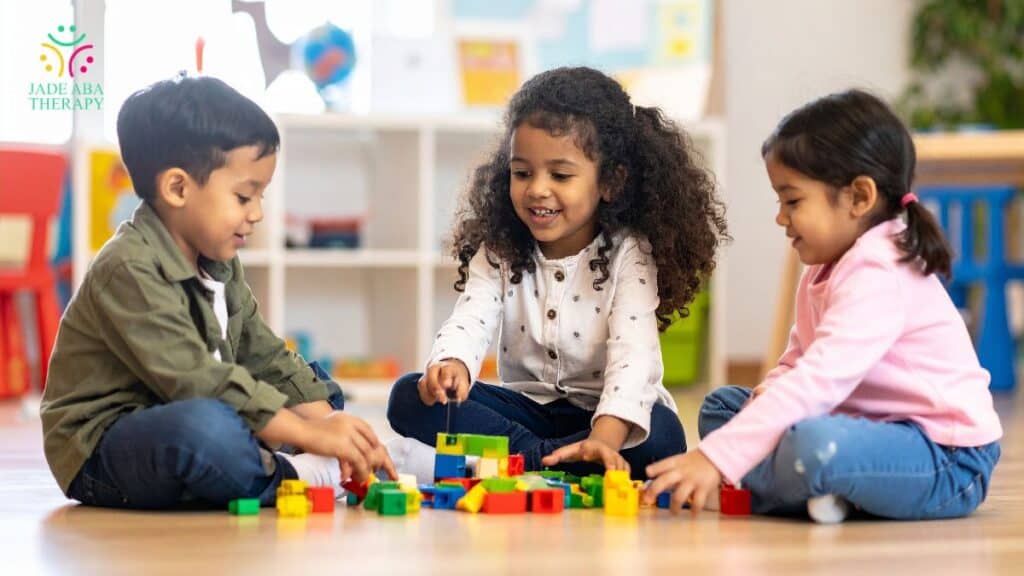
Before changing routines, it helps to see what life feels like for each child. The so-called “sibling dynamics autism household” patterns often show the effects of autism on siblings, including extra chores, caregiving, and emotional labor that adults do not always see.
Some children become the “easy ones” who never ask for help. Others act out because that is the only way they feel noticed.
Common sibling struggles include:
- Feeling invisible when most of the time, praise goes to the autistic child.
- Worrying about safety, meltdowns, or what will happen in the future.
- Taking on adult roles, such as calming a brother or sister or watching them at events.
In one 2024 study, more than half of mothers reported clinical levels of parenting stress, and 38.2% reported poor psychological quality of life. When caregivers feel autism’s effect on family wellbeing, it becomes even easier to miss quiet signs of distress in supporting neurotypical siblings.
A simple starting point is to watch for patterns for one week. Notice when siblings help, when they withdraw, and when conflict rises. This is not about blame. It is about gathering a clear picture so that changes can target real needs.
Step 2: Use Simple Talk to Help Siblings Understand Autism
Helping siblings understand autism lowers confusion and resentment. Children often fill gaps in information with their own ideas, like “Mom loves him more” or “Her behavior is my fault.” Clear, honest talk can ease that load.
You might describe autism as a way the brain works that changes how someone senses the world, understands language, and handles change. Simple examples help, like “Loud sounds feel extra strong for him” or “It is harder for her to know what faces mean.” Using concrete language gives siblings something solid to hold onto.
Short, regular talks work better than a single “big talk.” Try to:
- Invite questions often and answer them as plainly as possible.
- Name mixed feelings as normal, including anger, embarrassment, or jealousy.
- Share what the autistic child finds hard and what they are good at, so the picture feels balanced.
You can also link explanations to what siblings see in ABA. If there is a visual schedule, explain that it helps everyone know what comes next. If there is a reward chart, explain that rewards help the brain learn new patterns.
Step 3: Plan Siblings of Autistic Children Support With Your ABA Team
ABA works best when parents, siblings, and therapists pull in the same direction. Siblings of autistic children support can be built into the treatment plan instead of sitting off to the side.
During parent meetings, you can ask the BCBA to:
- Add goals that involve both children, such as cooperative play, turn-taking, or sharing space.
- Look at sibling problem areas, such as rough play or teasing, and design clear teaching steps.
- Include time to talk about sibling stress, fairness, and how to share attention during sessions so ABA parent training goals at home reflect what each child needs.
Including siblings in ABA does not mean turning them into junior therapists. It means giving them structured chances to practice kind behavior and receive praise, with an adult leading the session.
The support can include:
- Short joint games where siblings practice one skill, such as waiting or asking for a turn.
- Role-plays where siblings learn what to say when a classmate asks about autism.
- Moments where the BCBA models how to respond when the autistic child grabs, shouts, or walks away.
Research on sibling roles in autism shows that older, typically developing siblings can support social growth when involvement is positive and guided. Planned involvement helps protect both children from unfair pressure.
Step 4: Build Routines That Support Every Child at Home
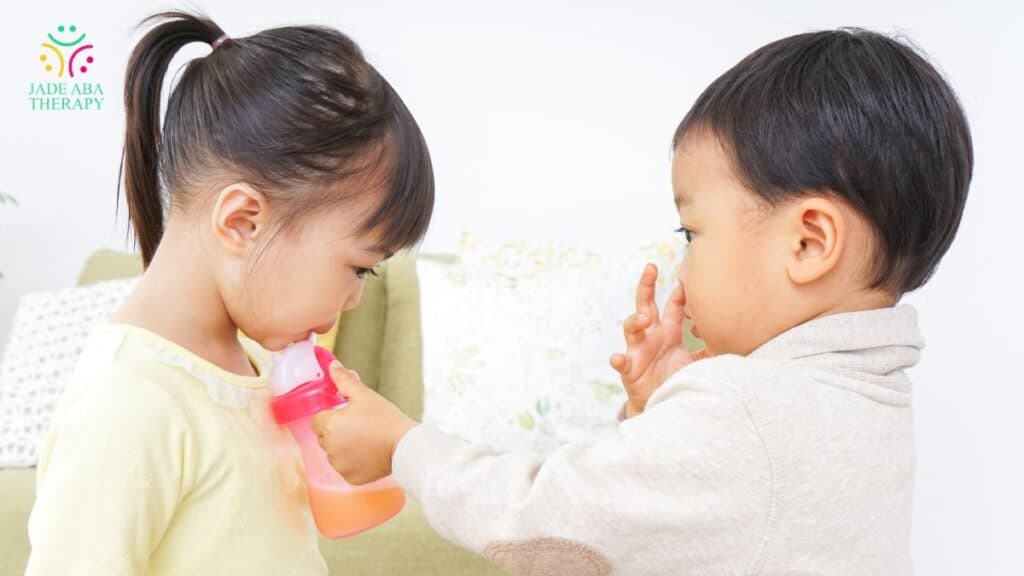
Home routines can quietly support or strain siblings. Family dynamics with autism often shift around mornings, evenings, and transitions out the door. When you use ABA tools to shape these routines, daily life feels more predictable for everyone.
Daily Siblings of Autistic Children Support Habits
Routines can include simple structures such as:
- Shared visual schedules: Show what each child does, including one-on-one time with a parent.
- Clear rules for common flashpoints: Write short rules about toys, screens, and personal space.
- Planned joint activities: Choose brief games or chores that both children can do together.
Each routine can follow basic ABA ideas, so creating a daily routine for children with autism feels clear and doable. You define the expectation, show what it looks like, and give specific praise when children meet it.
Over time, these patterns teach skills like waiting, asking for help, and respecting “no.” Sibling support for autism family efforts grows when rules feel fair and predictable.
Whole family autism support also calls for protected “solo time” for each child. That might mean:
- Ten minutes of daily reading or play with a sibling without autism.
- A weekly outing where the child chooses the activity.
- Quiet space in the home that is theirs, where toys will not be moved without permission.
These choices send a strong message that every child’s needs matter. They also give siblings a break from the constant role of helper or peacemaker.
Step 5: Protect Sibling Roles and Grow Advocacy Skills
Siblings often become informal helpers. While their care is valuable, too much responsibility can drain them. To keep roles healthy, families can:
- Limit caregiving: Decide which tasks siblings can help with and which always require adult supervision.
- Watch for “little parent” behavior: Step in when a child takes over soothing, discipline, or care.
- Praise sibling effort without tying their worth to how helpful they are.
Over time, many families want siblings to feel like advocates rather than caregivers. Sibling advocacy training can stay simple and age-appropriate.
Older children can learn to:
- Explain autism to friends in one or two sentences.
- Speak up if someone talks unkindly about their brother or sister.
- Ask teachers for small supports, such as letting siblings sit together on hard days.
These skills help siblings feel strong and informed without placing the future entirely on their shoulders.

FAQs About Siblings of Autistic Children Support
What are the struggles of autistic siblings?
The struggles of autistic siblings include emotional stress, reduced parental attention, and increased responsibility at home. Siblings of autistic children report higher rates of anxiety, low mood, and social difficulties than peers without a disabled sibling. Family demands, therapy schedules, and behavioral crises often increase pressure, while strong support systems build resilience and empathy.
What is the hardest age for autism?
The hardest age for autism does not center on one fixed year because each stage brings distinct challenges. Early childhood often feels most intense due to speech delays, sensory overload, and frequent meltdowns. Age six marks a common turning point as school demands increase. Adolescence adds puberty, social pressure, and future planning stress.
How to be a supportive older sibling to a sibling with autism?
To be a supportive older sibling to a sibling with autism, learn clear facts about autism, use calm and direct communication, and set age-appropriate boundaries. Older siblings can strengthen their connection by inviting shared activities that their autistic sibling enjoys and by offering simple choices.
Support Siblings With ABA at Home
Siblings do better when home life feels fair, predictable, and calm, and when they have clear ways to connect with their autistic brother or sister. Small ABA-based steps at home can turn daily routines into natural moments of support, so every child has room to grow and feel understood.
Jade ABA Therapy offers in-home Applied Behavior Analysis that focuses on practical skills, everyday routines, and caregiver coaching. Our team serves children with autism in Maryland and Virginia, meeting families where real life happens and shaping strategies that fit home and community life.
Ready to strengthen relationships between your children and bring more structure to your days? Reach out to us so we can learn about your goals, share how our ABA services work in the home, and see how our support can help your family move toward steadier, more connected routines.