

Key Points:
- School refusal autism Maryland families encounter often stems from sensory overload, social anxiety, unclear expectations, or past negative experiences at school.
- Children may show physical complaints, morning meltdowns, or escalating distress near drop-off.
- In-home ABA therapy can help by targeting morning routines, coping skills, communication, and gradual exposure steps in the setting where avoidance typically begins.
Mornings can turn into hours of tears, stomachaches, or a child frozen at the door. School can feel “too much” even when a child wants to do well. School refusal autism Maryland searches often start at that exact point, when home feels tense, and you are trying to figure out what is driving the pushback and whether in-home ABA therapy in Maryland may help.
The reasons often show up once you look past the word “refusal.” Useful support often starts by spotting patterns, reducing stressors you can change, and building skills that make school feel safer and more predictable.
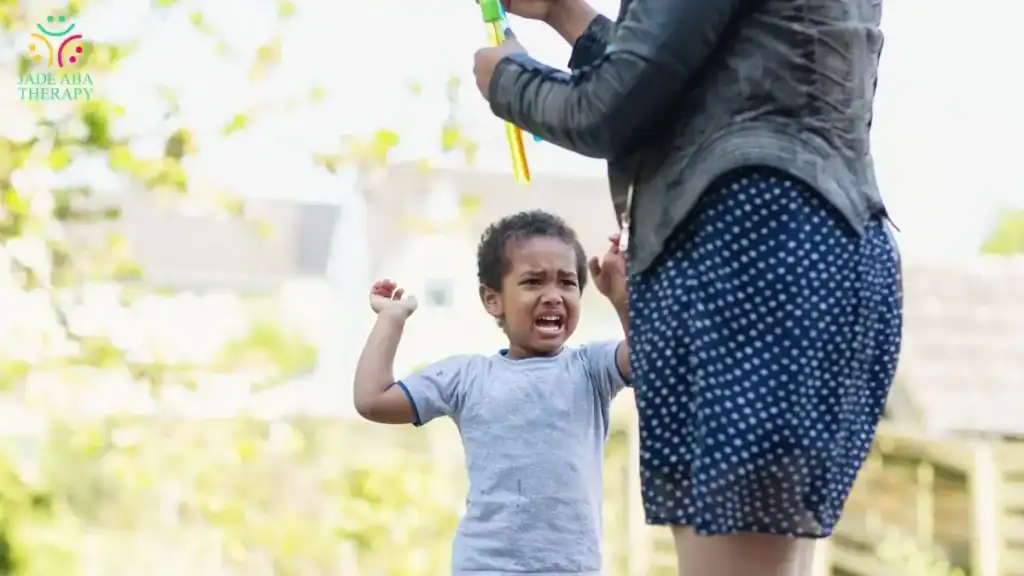
What School Refusal Actually Looks Like in Children on the Spectrum
School refusal is not always a dramatic scene. It can also look quiet, physical, or “masked” until the last minute. School refusal autism Maryland-wide often follows a repeated pattern on school days, then eases up on weekends or breaks.
Patterns of school refusal autism in Maryland to watch for
School refusal patterns can show up in small ways that add up. Common signs can include:
- Body complaints that repeat on school days. Headaches, nausea, stomach pain, or fatigue that improve after staying home.
- Morning routine slowdowns. Getting dressed, eating, or packing is turning into long stalls or sudden shutdowns.
- Escalation around a trigger time. Distress spikes at the bus stop, in the car, at the front office, or at the classroom drop-off.
- Frequent requests to stay home. “I can’t,” “I’m sick,” or “Please don’t make me,” especially before certain classes or events.
- After-school fallout. Big emotions after holding it together all day, followed by next-day avoidance.
School refusal is a known anxiety-linked pattern in school-age kids, often estimated at around 2–5% for anxiety-based school refusal.
Why a Child On The Spectrum May Avoid School
School avoidance is rarely about “being difficult.” School can demand constant coping: noise, transitions, social rules, and performance pressure. For a child with autism, one tough piece can spill into the entire day.
Some common drivers that shape ABA goals for home routines and school avoidance therapy planning include:
- Sensory overload. Bells, fluorescent lights, crowded hallways, strong smells, cafeteria noise, and unpredictable touch can quickly build stress.
- Social uncertainty. Group work, recess dynamics, and subtle peer behavior can feel confusing or unsafe.
- Unclear expectations. Vague directions, fast-paced classrooms, and sudden changes can raise anxiety.
- Communication strain. A child may not have the words to explain what feels wrong, so the body reacts instead.
- Past negative moments. Bullying, embarrassment, or repeated discipline can turn school into a place the child expects to go badly.
School stress has also been linked to safety concerns and bullying in the broader student population. In the 2023 national youth survey, the share of students reporting being bullied at school rose from 15% to 19% (2021 to 2023), and the share missing school because they felt unsafe rose from 9% to 13%.
School Refusal vs Truancy: Why the Difference Changes the Response
School refusal usually comes with distress. Truancy more often involves leaving without telling caregivers, hiding absences, or skipping without strong fear signals. The line can blur, but the “why” behind the absence changes what helps.
School refusal often includes:
- Visible fear or shutdown. Crying, clinging, panic, or freezing.
- Physical symptoms. Nausea, headaches, dizziness, or exhaustion.
- Caregiver awareness. A child often stays home with a caregiver knowing, even if it causes conflict.
That distinction matters because fear-based avoidance can get stronger when the child learns “staying home makes the feeling stop.” That is not anyone’s fault. It is how relief learning works, and it is why gradual, planned steps can help more than sudden pressure.
Absences also add up faster than many people expect. A national benchmark defines chronic absenteeism as missing 10% or more of school days, and the U.S. rate was about 28% in 2022–23, down from about 31% in 2021–22.
How In-Home ABA Therapy May Help with School-Related Anxiety
In-home ABA therapy focuses on day-to-day skills and patterns in the setting where mornings, evenings, and routines actually happen. When a child is stuck in a school refusal loop, in-home work can target the factors that keep triggering distress.
ABA therapy school anxiety Maryland support often focuses on function first. That means figuring out what the child is trying to escape, avoid, or communicate, then teaching safer, easier ways to handle the same situation.
In-home ABA therapy may help by working on areas like:
- Morning routine stability. Visual schedules, simple sequences, and predictable cues that reduce uncertainty.
- Coping skills for big feelings. Practicing calm-down tools before the hard moment, not only during a meltdown.
- Communication strategies in ABA that reduce panic. Teaching a child to request breaks, ask for help, or label what feels “too loud” or “too fast.”
- Transition practice in small steps. Rehearsing “school-like” steps at home, then building toward real drop-off routines over time.
- Caregiver coaching in ABA. Helping adults respond in ways that reduce stress and avoid accidentally reinforcing staying home.
Anxiety is also common in youth with autism, which can raise the odds of school avoidance. A recent meta-analysis pooling community studies found anxiety symptoms around 33% by self-report and anxiety disorders around 19% by diagnostic interview.

ABA Strategies for School Refusal That May Be Used in Real Life
Plans look different for each child, but many ABA strategies school refusal approaches follow the same logic: define the goal, reduce the trigger load, and teach replacement skills that are easier than avoiding school.
A structured plan may include:
- Functional assessment. Identifying whether the child is escaping sensory input, social stress, task demand, or separation from home.
- A “first-then” routine. Short, clear expectations paired with a predictable preferred activity after completing a step.
- Visual supports. Picture schedules, countdowns, and “what happens next” charts.
- Choice within structure. Offering two acceptable options to reduce power struggles (shirt A or B, breakfast X or Y).
- Reinforcement for brave steps. Rewarding specific actions, such as putting on shoes, entering the car, or walking into the building.
- Planned exposure steps. Practicing the school routine in smaller pieces, increasing only when the child is ready.
- School coordination and ABA alignment when appropriate. Aligning supports like sensory breaks, quieter entry, check-in plans, or adjusted transitions.
Research also shows school absenteeism is a documented concern in students with autism, with published work pointing to multiple contributing factors and gaps in support.
When Extra Support May Be a Good Idea
A tough week can happen to any child. Support becomes more urgent when refusal is persistent, escalating, or affecting health, sleep, or family functioning.
Reaching out may help when:
- Refusal lasts for several weeks or recurs after short improvements.
- Distress is intense at drop-off or the night before school.
- The child’s world shrinks and avoids other community settings, too.
- Sleep and eating shift around school days.
- School is reporting frequent nurse visits or repeated early pickups.
Maryland families also face a larger attendance challenge at the system level. National estimates from a recent report put chronic absenteeism around 19% in 2023–24 and around 22% in 2024–25.
If safety concerns, self-harm talk, or severe anxiety symptoms show up, a child’s pediatrician or a licensed mental health clinician can help assess what else may be needed alongside behavioral support.

FAQs About School Refusal and ABA Therapy
Is school refusal common in children with autism?
School refusal can be more common in children with autism because school can involve sensory stress, social pressure, and constant transitions. Anxiety is also common in youth with autism, which can lead to avoidance behaviors. A plan often starts by identifying triggers and teaching coping and communication skills.
Can in-home ABA therapy help reduce school avoidance?
In-home ABA therapy may help reduce school avoidance by improving morning routines, coping skills, and communication in the setting where refusal usually starts. A BCBA can assess what is driving the avoidance and develop a step-by-step plan to support safer transitions. Progress often looks gradual and consistent.
What should I tell my child’s school if they are refusing to attend?
School communication should start with a clear description of what you see and when it happens. Share the timing, triggers, and what helps calm your child. Ask about support strategies like sensory breaks, visual schedules, or calmer entry routines. If an IEP or 504 exists, request a team meeting to adjust supports.
Reach Out When School Mornings Feel Impossible
School refusal can start from sensory stress, anxiety, or feeling unsafe, and it can grow when the only relief is staying home. In-home ABA services may help by building routines, coping skills, and communication that make school days feel more manageable over time.
Jade ABA Therapy provides in-home Applied Behavior Analysis (ABA) therapy for children with autism across Maryland and Virginia. Our team can help assess what may be driving school avoidance and build a practical plan that fits your home routine.
Contact us today. Let’s talk about the possible next steps and schedule an intake.