

Key Points:
- Telehealth ABA therapy works best when goals focus on communication, daily routines, and caregiver coaching, and when a parent can actively participate.
- It may not be ideal for high-risk behaviors, severe aggression, or situations requiring hands-on support.
- Many families benefit most from a hybrid of virtual and in-person sessions.
Parents who consider telehealth often already handle a lot, such as school runs, long commutes, and packed afternoons. Shifting some ABA support online can sound helpful, yet it also raises questions about screen time, attention, and whether virtual ABA sessions can match in-home ABA therapy.
The goal here is to help you see where telehealth shines, where it struggles, and what that mix might look like for your child and family.

What Is Telehealth ABA Therapy and How Is It Different?
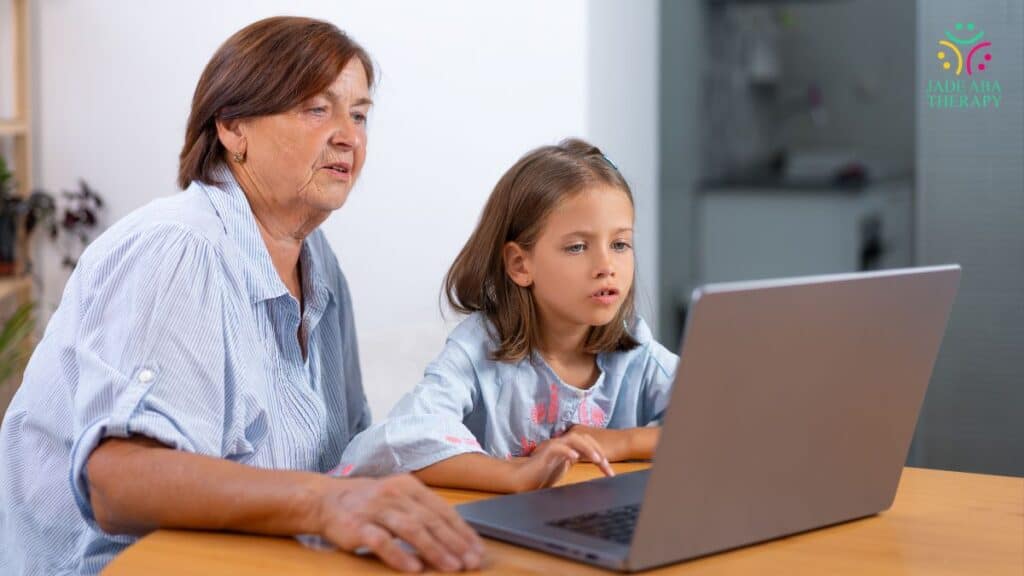
Telehealth ABA therapy uses secure video calls so a BCBA or behavior technician works with your child and coaches you while everyone stays in their own space. The same treatment plan, data collection, and behavior strategies are used, but the therapist connects via a screen rather than sitting in your living room or a clinic.
Families may see different parts of care happen online, such as:
- Virtual BCBA sessions where the clinician reviews data and adjusts goals.
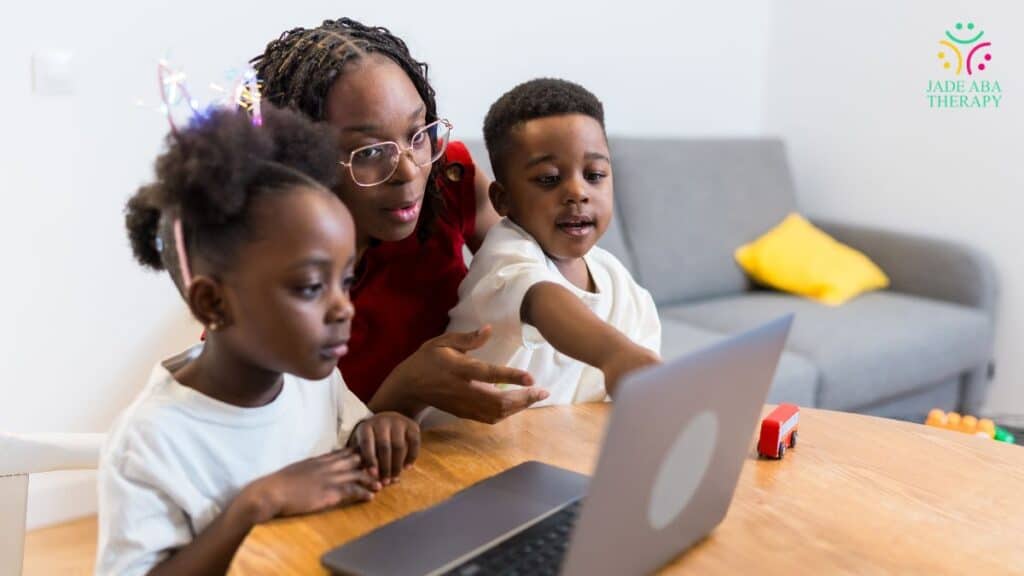
- Remote ABA parent training where you practice strategies with coaching in real time.
- Video ABA therapy that lets your child work on communication, play, or daily routines during live sessions.
One recent study found that about 70% of parents of children with neurodevelopmental conditions increased their use of telehealth services during COVID and continued to see value afterward.
Compared with clinic care, telemedicine for autism can bring therapy directly into everyday routines such as homework, meals, and bedtime. That can make it easier to address real situations rather than just practicing in a therapy room.
How Do Telehealth ABA Therapy Sessions Work?
Understanding what happens before, during, and after a session can reduce some of the uncertainty. Telehealth ABA therapy still follows a clear structure, even though the therapist is on a screen.
Before a session, your team will usually:
- Share a link, basic tech instructions, and the length of the visit.
- Ask you to prepare simple materials, such as toys, snacks, or visuals.
- Help you pick a quiet space and preview the session with your child.
During virtual ABA sessions, you can expect:
- A short check-in about your week, wins, and tough spots.
- Coaching in which the therapist shows you a strategy, then guides you as you use it.
- Online behavior therapy that focuses on skills such as communication, flexibility, or following routines.
After each visit, the provider will often:
- Summarize progress and note what they saw during video ABA therapy.
- Give one or two practice targets for the coming days.
- Adjust the plan and schedule based on your feedback and new data.
Short, focused remote ABA consultation calls can also happen between longer sessions to tweak plans. They can support steps in the ABA therapy intake process without a full visit.
When Do Virtual ABA Sessions Work Well?
Telehealth is not an all-or-nothing choice. For some profiles, it works very well and can even expand access to care.
A recent review of telemedicine interventions for autistic children and teens found that many remote programs led to meaningful improvements in core symptoms and co-occurring challenges when they were well planned and coached.
Virtual ABA sessions often fit when:
- Your child can use a screen for short blocks or follow your lead while you are coached.
- Goals focus on communication, daily living skills, or mild to moderate behavior challenges at home.
- Sensory needs or anxiety make clinics exhausting, and home feels safer.
Family life also plays a big role. Telehealth can support you when:
- Work hours, traffic, or siblings make travel to a center hard several times a week.
- Evenings or weekends are the most realistic time for support.
- You want more coaching during real moments like homework, meals, or bedtime.
Remote ABA parent training has strong evidence for reducing challenging behavior and improving parent confidence. A 2025 meta-analysis of 16 clinical trials found that telehealth caregiver training led to significant improvements in children’s challenging behavior and better outcomes for parents.
When Is In-Person ABA a Better Choice Than Telehealth?
Some needs go beyond what a therapist can safely guide through a screen. It helps to be honest about these limits so you do not feel frustrated by a format that cannot meet your child where they are right now.
In-person services often make more sense when:
- Your child shows high-intensity aggression, frequent self-injury, or serious property damage.
- Safety plans require physical support, blocking, or hands-on guidance that a remote therapist cannot provide.
- Medical needs, seizures, or strong elopement risk require close supervision in the same room.
Environment and participation also influence the fit. Telehealth may struggle if:
- The internet is unreliable, or there is no private space to talk openly.
- Adults cannot be present often enough to join sessions, so coaching would be very limited.
- Your child becomes very distressed by screens and does not respond to gradual supports.
During the pandemic, many families reported that their child’s therapy hours dropped by 50% to 76.9%, depending on the service type, even when telehealth options were offered. That kind of disruption can be a sign that the format is not meeting your child’s needs, and that shifting more hours back to in-person care might help.
What Does Research Say About Online ABA Therapy Effectiveness?
Telehealth has moved from a rare backup option to a normal part of autism care, and research has tried to keep pace. Online ABA therapy effectiveness has been studied in direct child sessions, parent training, and social communication programs.
Recent work on social communication telehealth programs for children with autism found moderate to large improvements in language skills across several areas, including vocabulary and conversation. These gains suggest that video-based coaching and practice can do more than just maintain skills.
Caregiver-focused telehealth programs also show promising results. One large review of telehealth interventions aimed at parents and caregivers found consistent benefits for both child behavior and caregiver stress when programs included structured coaching and feedback.
Broader reviews that examined multiple telehealth autism studies concluded that, for targeted goals, remote programs often achieve outcomes similar to in-person services, especially when caregivers are active partners and technology works reliably.
At the same time, researchers note that there is less data on older youth, more complex behavioral profiles, and long-term outcomes over many years. Teletherapy for autism is promising, but it is still important to watch how your own child responds rather than assuming it will always be enough on its own.
How Do Hybrid ABA Models Balance In-Person and Telehealth?
Many families and providers now use a hybrid ABA model rather than choosing a single format for ABA therapy for autism. This mix can match telehealth ABA therapy to the goals that work best online while keeping higher-risk or more complex work in person.
A hybrid approach might look like:
- In-home or clinic sessions for intensive teaching, safety plans, and hands-on prompting.
- Virtual BCBA sessions for plan review, data discussion, and caregiver questions.
- Remote ABA consultation and coaching for routines that happen at home, such as homework or chores.
When building a hybrid plan, it helps to ask:
- Which goals truly need hands-on support in person?
- Which skills can be developed through coached practice at home via telehealth?
- How does our week look in terms of time, travel, and stress?
Telehealth ABA therapy does not need to replace in-person visits to be helpful. Often, it works best as a flexible tool that fills gaps and keeps everyone connected between those face-to-face moments.
FAQs About Telehealth ABA Therapy
Can autism be diagnosed via telehealth?
Yes, autism can be diagnosed via telehealth when clinicians use structured assessments, caregiver interviews, and clear video observation. Telehealth autism evaluations show 80% to 91% diagnostic agreement compared with in-person assessments. Remote diagnosis works best with trained providers and standardized tools, while some cases still require in-person follow-up.
Does virtual ABA therapy work?
Virtual ABA therapy works for many children with autism when sessions are structured, and caregivers participate. Telehealth ABA programs show improvements in communication, social interaction, and behavior comparable to in-person services for targeted skills. Parent training delivered online increases strategy accuracy and reduces challenging behavior.
What is the ABA code for telehealth?
The ABA telehealth code does not refer to one single billing number. ABA telehealth services use standard CPT codes such as 97155 for protocol modification, 97156 for caregiver training, and 97157 for group caregiver training, with telehealth modifiers like 93 or 95 when insurers allow remote delivery. Coverage depends on the specific insurance plan.
Choose How Telehealth ABA Fits Your Child’s Plan
Telehealth ABA therapy can support everyday home routines, while in-person visits still play a key role for complex behaviors, safety needs, and hands-on teaching. The most helpful plan often blends both formats so your child gets the right kind of help in the right setting.
At Jade ABA Therapy, we provide in-home Applied Behavior Analysis that centers on practical skills, real routines, and coaching that helps caregivers feel more prepared day to day. Our team serves children with autism in Maryland and Virginia through in-home visits that can be paired with thoughtful telehealth options.
When you are ready to see what that mix could look like for your child, reach out to us so we can learn about your goals, map out a realistic home-based plan, and take the next step toward support that fits your family.